
Distance Learning and the Role of RDWeb
Distance learning has become a core part of modern education, transforming how schools and universities deliver knowledge. Students are no longer limited by physical classrooms, and institutions must provide reliable digital access to learning tools. Remote Desktop Web Access (RDWeb) plays a key role in this shift by enabling secure, browser-based access to academic systems from anywhere in the world.
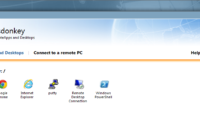
How RDWeb Supports Remote Education
RDWeb allows educational institutions to host applications and desktops on centralized servers while students connect to them remotely. This is especially valuable for courses that require specialized or licensed software, such as engineering, design, or data analysis tools. Instead of installing programs on personal devices, students can simply use a browser and access everything they need.
With a single Login to RDWeb Access, users enter a familiar academic environment that mirrors on-campus systems. This ensures consistency in coursework and reduces technical barriers for both students and educators.
Advantages for Students and Faculty
One of the biggest benefits of RDWeb in distance learning is accessibility. Students can participate in lectures, complete assignments, and use advanced tools regardless of their location or device capabilities. This creates a more inclusive learning environment, particularly for those who may not have access to high-performance computers.
For teachers and university staff, RDWeb simplifies course management. They can provide standardized resources, monitor student activity, and offer real-time support. Updates to software or course materials can be deployed centrally, ensuring that all users are working with the latest versions.
Cost Efficiency and Resource Optimization
Maintaining physical computer labs can be expensive and resource-intensive. RDWeb reduces these costs by shifting computing power to centralized servers. Institutions can invest in fewer high-performance systems while still delivering powerful tools to a large number of users.
This model also improves scalability. During peak times, such as exams or project deadlines, institutions can allocate more server resources to meet demand without needing additional physical infrastructure.
Security in a Remote Learning Environment
As education becomes more digital, protecting sensitive data is critical. RDWeb enhances security by keeping files and applications within the institution’s network. Students access resources remotely, but data is not stored on their personal devices, reducing the risk of leaks or loss.
Administrators can enforce access controls, monitor usage, and quickly apply updates or security patches. This centralized approach ensures a safer and more controlled learning environment.
Challenges and Implementation Considerations
Despite its many advantages, RDWeb requires careful implementation. A stable internet connection is essential for smooth performance, and institutions must ensure their servers can handle multiple concurrent users. Training is also important—both students and faculty need to understand how to use the platform effectively.
Proper planning, infrastructure investment, and ongoing support are key factors in successfully integrating RDWeb into a distance learning strategy.
Conclusion
RDWeb has become an essential technology for supporting distance learning in schools and universities. By providing secure, flexible, and scalable access to academic resources, it helps institutions adapt to the evolving educational landscape. As remote education continues to grow, RDWeb will remain a critical tool for delivering high-quality learning experiences.
FAQ
What is RDWeb and why is it important for distance learning?
RDWeb is a web-based platform that allows remote access to desktops and applications. It is important because it enables students to use academic tools without being physically present on campus.
Do students need to install software to use RDWeb?
No, RDWeb works through a web browser, so most applications are accessed remotely without local installation.
Is RDWeb suitable for all types of courses?
It is especially useful for courses that require specialized or high-performance software, but it can support a wide range of subjects.
How does RDWeb improve accessibility in education?
It allows students to access learning resources from any location and device, making education more inclusive and flexible.
Is RDWeb secure for students and universities?
Yes, it keeps data on centralized servers and allows administrators to control access and monitor activity.
What are the main challenges of using RDWeb in education?
The main challenges include ensuring stable internet access, maintaining server capacity, and providing user training.
Discover more from Scholarship
Subscribe to get the latest posts sent to your email.